What Makes A Strain Easy Or Hard To Grow?
When you first begin growing, it can be difficult to tell the difference between strains. Once you become more familiar with the cannabis plant, you'll learn different strains not only look different, but have individual needs when it comes to feeding and watering as well. Because of this, some strains are better for experienced growers while others can be grown by beginners, too.
The following factors help determine if a strain is hard or easy to take care of:
Genetics
The ease of growing a particular strain starts with its genetic lineage, how it was bred, and the environment it prefers. Strains that are good for beginners are more resilient and forgiving. Common beginner mistakes include overwatering and under feeding. Because of that, strains that require more water and less food work well for those new to gardening. Indica-dominant strains are great starter plants as they often require less training and have a shorter bloom time compared to sativa-dominant strains. Strains that are pest and disease resistant are also recommended, not to mention more affordable as well.
Harder to grow strains will require expertly dialed feedings and will likely be sensitive to climate changes, like fluctuations in temperature and humidity. Excessive stretching, and light or nutrient sensitivity also make certain strains more difficult to grow than others. In addition, certain strains are more susceptible to mold or mildew, requiring frequent spraying.
Indica-dominant genetics bred to be compatible in your specific environment will be key to selecting a strain that’s good for beginners. Regular seeds are typically more vigorous and stable than feminized seeds, but do require the grower to know the difference between a male and female plant. You’ll also need to know that the amount of time a plant is exposed to light will determine if it stays in veg, or starts the bloom cycle.
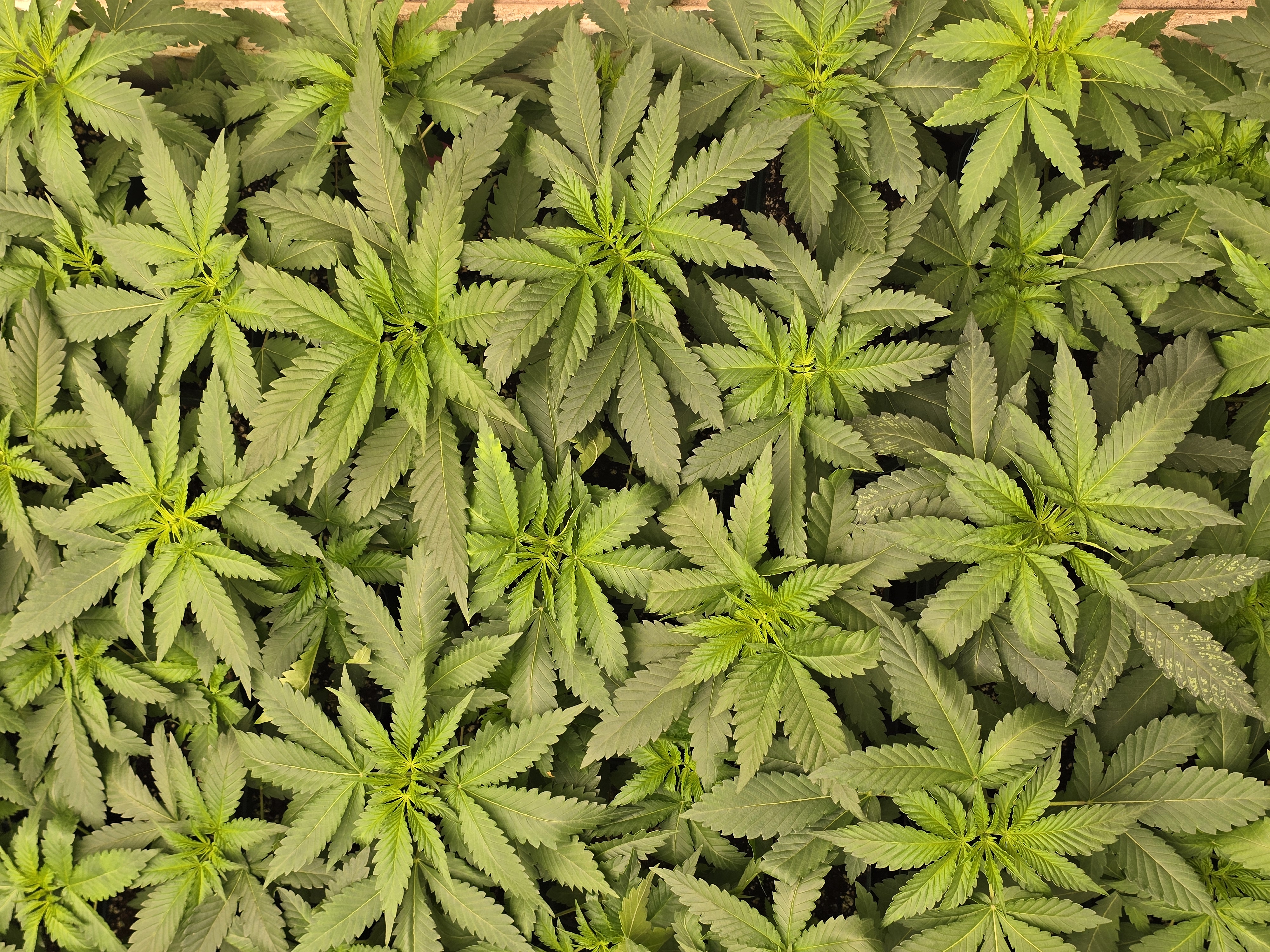 Indica-dominant genetics bred to be compatible in your specific environment will be key to selecting a strain that’s good for beginners
Water
Water is one of the most important factors when it comes to plant health. It influences plant performance in many ways. Not only does a plant need water to complete many tasks, but also to help with nutrient uptake. Water helps break down granular nutrients and also carries nutrients to different locations in the soil for roots to access.
Pay attention to the climate. The weather is one of the most influential factors on watering needs. Watering needs can change day to day or season to season, especially if you grow in a greenhouse or outside. If it’s hot and sunny, a plant will need more water than if it’s raining, for example.
Soil color matters. It’s best to water at the same time everyday with the morning being ideal. Paying attention to the color of the soil is the easiest way to tell if a plant needs water. The lighter in color the soil is, the drier it probably is. The weight of the container will also let you know if a plant needs water. The lighter it weighs, the more likely it needs water. If you notice the soil is darker and saturated when you’re considering watering a plant, you may want to wait to water it until several hours later or even hold off until the next day. When watering, it is helpful to count how many seconds you give a plant liquid, and if the soil is not dry the next day, lessen the time you spend watering it. If it’s wilting when you go to water it, you need to give it a little more water than you did the previous day. There’s a sweet spot with soil when it comes to watering. You want the soil to be dry each time you water, but not too dry that the plant is wilting.
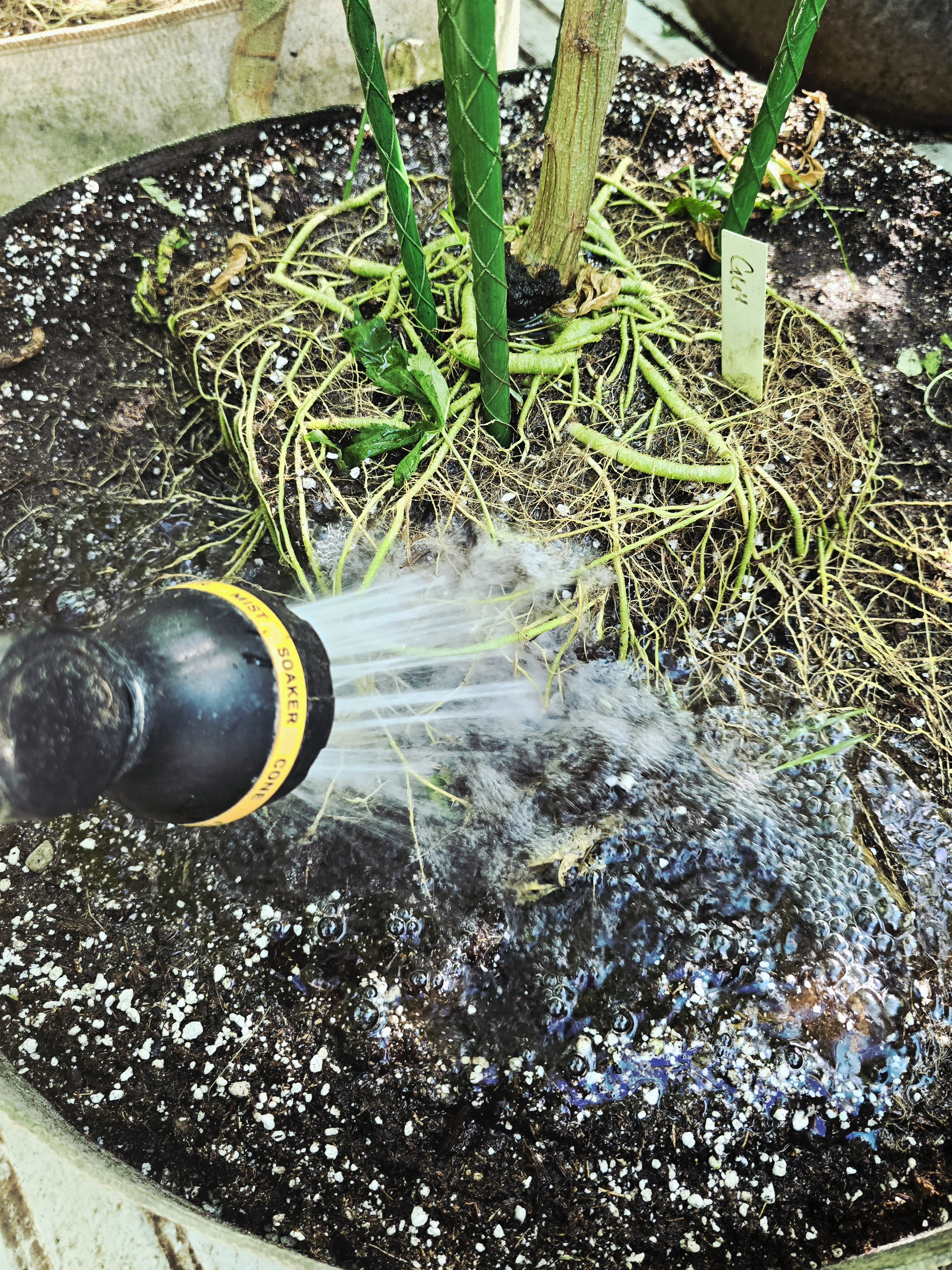 Water is one of the most important factors when it comes to plant health
Not all strains drink the same.
Water is one of the most important factors when it comes to plant health
Not all strains drink the same. Certain strains require more water than others. This is likely due to where they originated from. If they’re from drier climates, they will likely require less water, as that is the environment they are used to and survived in. Crippy and Lemonade are examples of strains that don’t like too much water while Gorilla Glue #4 is an example of a strain that drinks well. GG#4 may want a good watering every day while Lemonade may want a good watering every 3 days and a light watering in between. Strains like Wedding Cake like more food, but not a lot of water, so it can be a challenge for beginners to care for more demanding varieties because of those kinds of factors.
Plant size and vigor determine watering needs. The size and health of a plant will also determine how much water it wants. Healthy, vigorous plants will drink better than struggling plants. Watering needs can also change if you lollipop, or heavily prune a plant, as plants tend to drink less for several days after losing branches or a lot of leaves, which makes sense because there is less plant foliage uptaking water.
Food
Timing is key. How quickly a strain uptakes water and nutrients is a major factor when it comes to a strain that is easy or hard to grow. Strains like Wedding Cake and Cherry Pie, for example, require more food than strains like Runtz and Blue Dream. Balancing food and water needs is essential to achieve peak health. You’ll notice things like yellowing leaves and necrotic spots on the leaves when a plant is hungry. If you overfeed a plant, there’s a good chance it will burn and die. You’ll notice things like brown dying leaves or flowers and stunted growth when a plant is overfed.
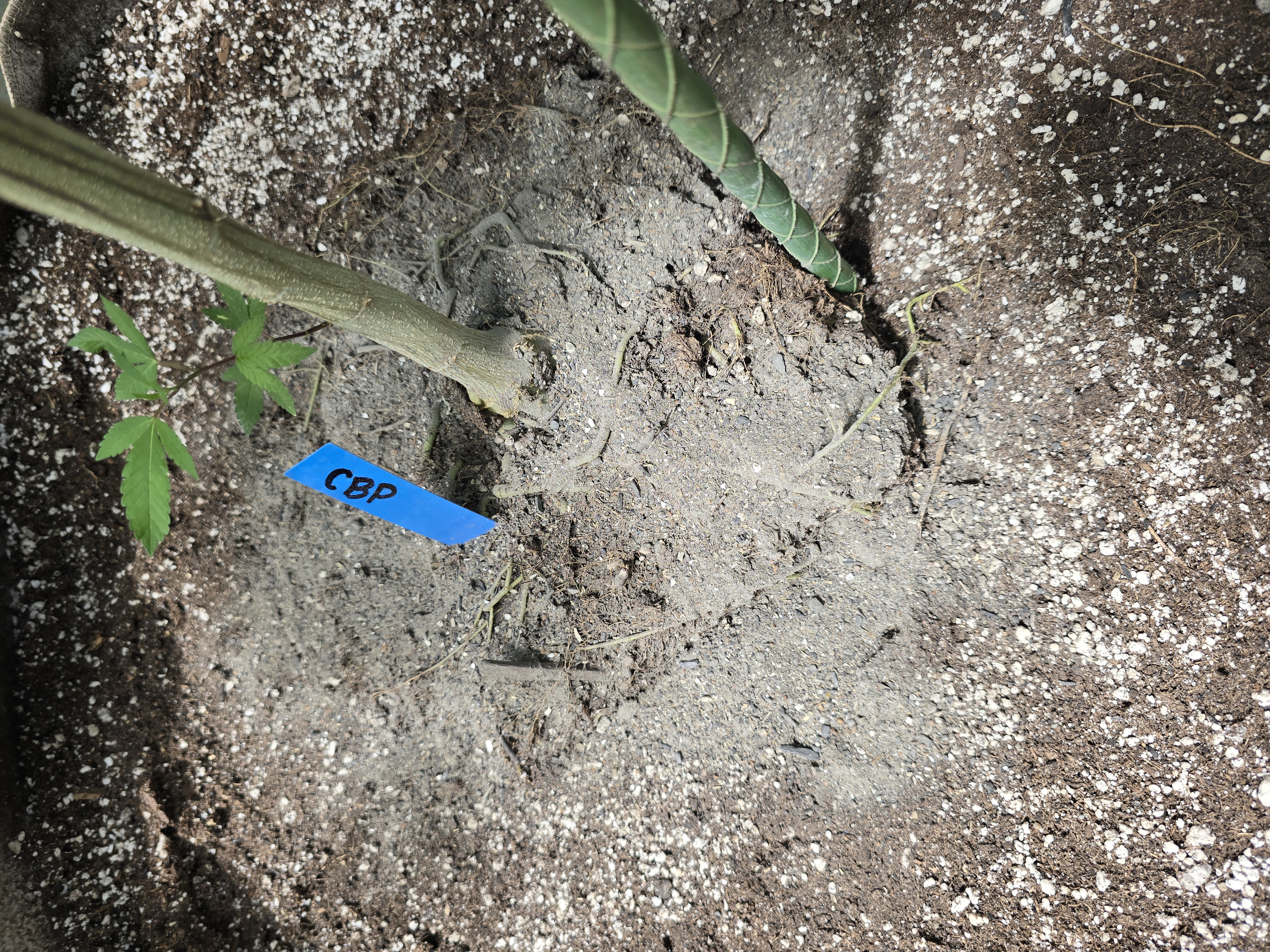 It’s important to pay attention to how much food each strain needs to maintain good health
Quality over quantity.
It’s important to pay attention to how much food each strain needs to maintain good health
Quality over quantity. It’s important to pay attention to how much food each strain needs to maintain good health. How do you know how much food to give it? This will be learned over time; mostly likely after several growing cycles. It’s recommended you write down the day you feed each strain and the amount. If you’re topdressing all of your plants at the same time, you may want to give slightly more to the hungrier plants and slightly less to the ones that don’t need as much food. Or you may want to feed the hungrier ones more often than the others; for example, instead of topdressing every 10 days, you topdress every 7 days.
Veg Time
The time it takes to veg a plant is also a factor when it comes to the difficulty level. The longer a plant needs to veg, the harder it will be for new growers to achieve peak health as specific watering or food needs will come into play in addition to pest management. If you’re growing several different strains next to each other, faster growing strains can begin to shade slower growing ones, changing their watering needs and health. Faster vegging strains like Apple Fritter will be easier to care for than slower vegging strains like Lemonade.
Strains that are good for beginners include crosses of:
- Gorilla Glue #4
- Gorilla Butter Breath
- Apple Fritter
- Haole Girl BX
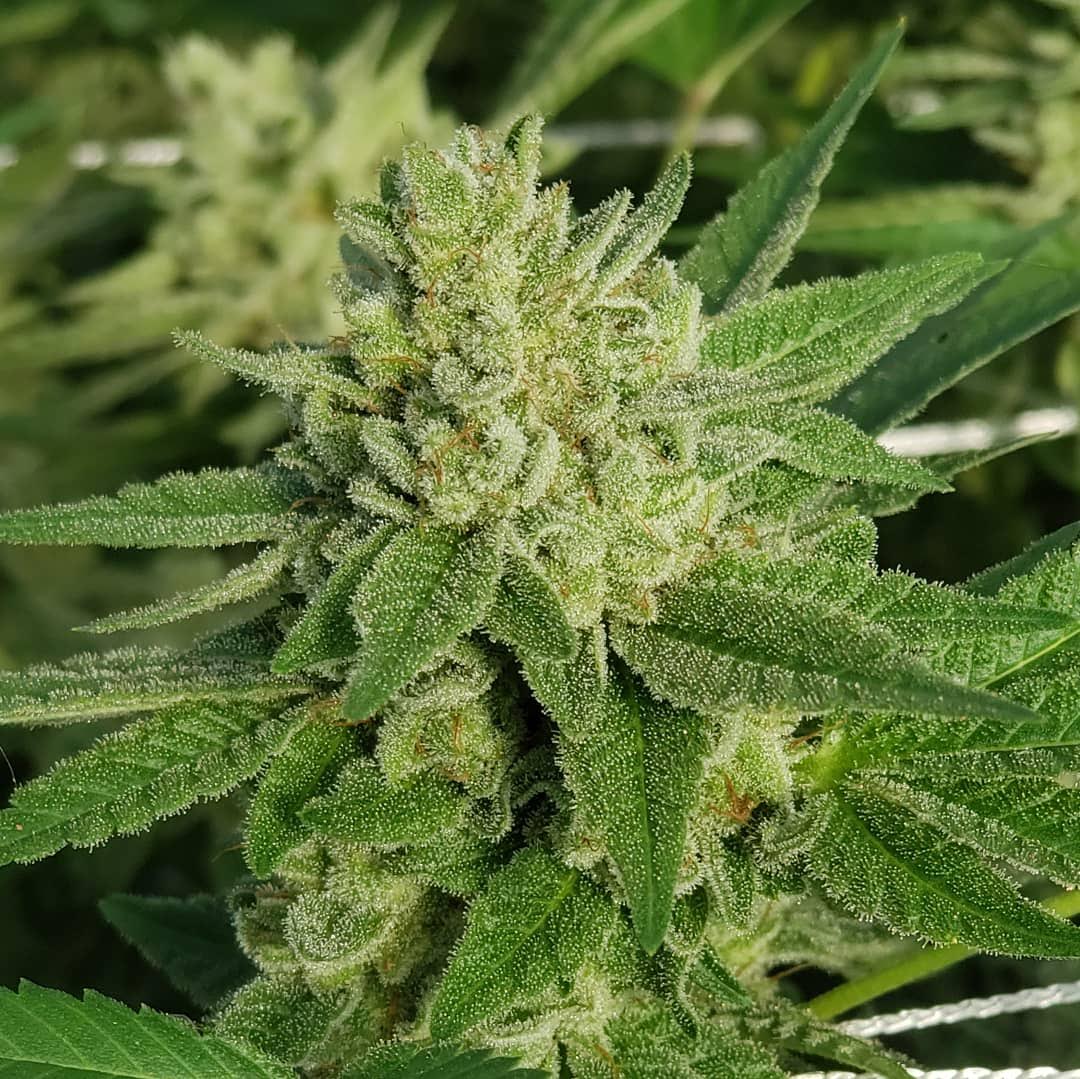 GG4 is great for backyard growers, those in more unforgiving conditions, or those that are new to growing as it is an easy to grow plant for all skill levels
Strains for more experienced growers include crosses of:
- Crippy
- Lemonade
- Wedding Cake
- Cherry Pie
Tip: If you’re a beginner wanting to grow a strain that is typically for more experienced growers, you may want to select a cross of it that is bred to an easier to grow strain. For example, if you’re a new gardener wanting to grow Crippy, you may want to grow Da Death = Crippy x Gorilla Glue #4 BX. This will allow you to find a pheno that’s easy to care for like Gorilla Glue #4, but with the effects of Crippy, increasing the likelihood that you’ll achieve success.
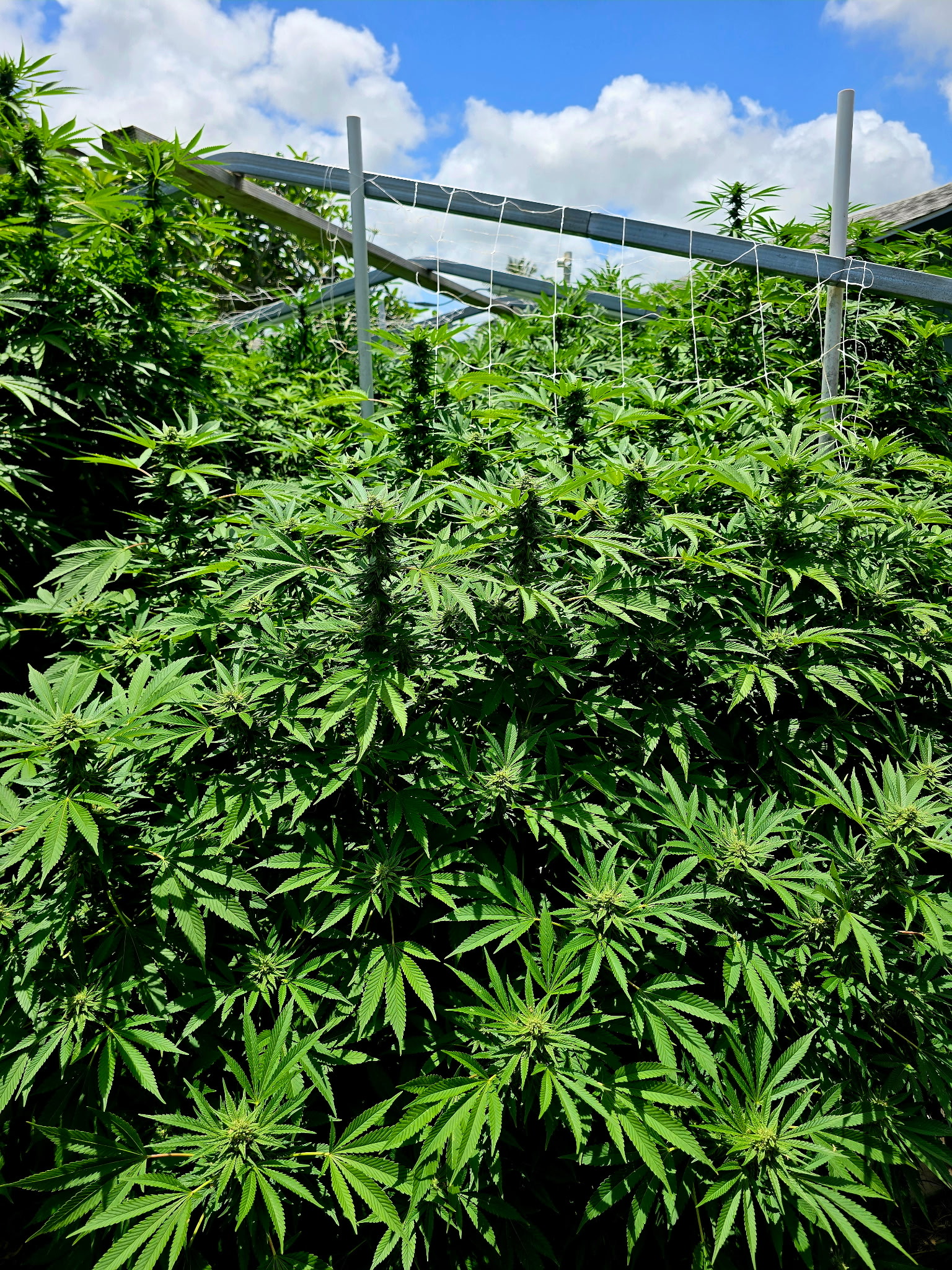 If you're new to growing and want to grow a more advanced strain, select a cross of it bred to an easier to grow strain
Practice Makes Perfect
Figuring out each strain’s requirements is an art. Experience and attention to detail will be the best way to learn a new strain and what it needs. If you’re a beginner grower, starting with the right genetics will help with maintaining good plant health, can provide easier to care for plants, and a bigger yield, all allowing you to achieve a higher quality harvest.